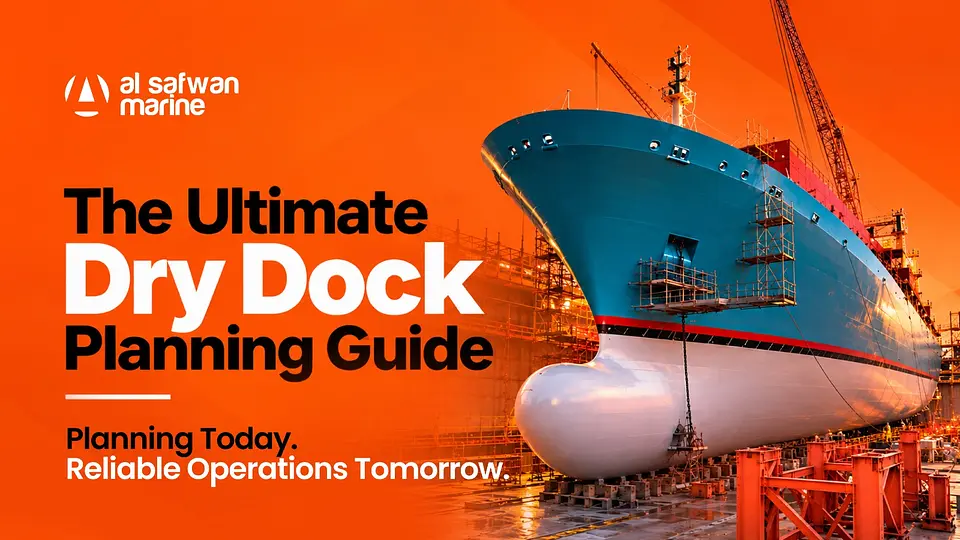
Dry dock planning keeps commercial vessels safe, compliant, and in the shipyard for as few days as possible.
However, a successful docking project begins long before the vessel reaches the shipyard. In fact, effective dry dock planning helps shipowners and fleet managers reduce downtime, control costs, and complete class approvals efficiently.
This guide therefore covers preparation checklists, budgeting, inspection requirements, timeline management, and best practices for a successful dry dock project.
What Is Dry Dock Planning?
Dry dock planning is the process of preparing a commercial vessel for scheduled maintenance, inspections, repairs, modifications, and statutory surveys while it is out of the water. Unlike routine onboard maintenance, dry docking gives full access to underwater components such as the hull, propeller, rudder, sea valves, thrusters, and ballast tanks.
A comprehensive plan also coordinates engineering teams, classification societies, contractors, suppliers, and vessel operators. As a result, the team completes all work safely, efficiently, and within budget. Planning typically begins six to twelve months before the docking date, so there is enough time for inspections, procurement, and scheduling.
Why Dry Dock Planning Matters
Dry docking is one of the largest planned maintenance investments for any commercial vessel. Moreover, every extra day in the dock raises operational costs and reduces vessel availability. Proper planning therefore removes unnecessary delays and keeps maintenance on schedule.
Key benefits of effective planning include:
- Reduced vessel downtime
- Better budget control
- Improved operational reliability
- Enhanced crew and vessel safety
- Compliance with IMO and classification society requirements
- Extended equipment lifespan
- Improved fuel efficiency through hull and propeller maintenance
- Reduced risk of emergency repairs
By planning ahead, operators can combine multiple repairs into a single docking period. Consequently, they minimise future disruptions and improve overall fleet performance.
Step-by-Step Dry Dock Planning Process
Conduct a Technical Vessel Assessment
Every dry dock project begins with a detailed assessment of the vessel's condition. Engineers review maintenance records, survey reports, machinery performance, and operational history to identify components that need repair or replacement.
Areas commonly inspected include:
- Hull structure
- Propeller and rudder
- Sea valves
- Ballast tanks
- Cargo holds
- Pumps and piping systems
- Main and auxiliary machinery
- Electrical systems
- Navigation equipment
- Fire protection systems
- Lifesaving appliances
A thorough assessment therefore identifies all maintenance requirements before the vessel enters dry dock.
Define the Scope of Work
After the inspection, the team prepares a detailed work specification. This document then becomes the foundation for scheduling, budgeting, procurement, and contractor coordination.
Typical work includes:
- Hull cleaning and blasting
- Anti-fouling coating application
- Steel renewal
- Propeller polishing
- Rudder inspection
- Shaft alignment checks
- Machinery overhauls
- Pipe replacements
- Hydraulic system servicing
- Automation and calibration
- Electrical repairs
- Fire safety system inspections
- Lifeboat and davit maintenance
Clearly defining the scope also prevents unexpected delays during the docking period.
Select the Right Shipyard
Choosing the right dry dock facility is a critical decision. Therefore, consider dock capacity, technical expertise, location, available equipment, turnaround time, and previous project experience.
In addition, experienced contractors and service providers ensure high-quality workmanship and efficient project execution.
Dry Dock Preparation Checklist
Proper preparation significantly improves project efficiency and reduces costly delays.
Documentation
Before arrival at the shipyard, make sure these documents are available:
- Classification certificates
- Flag State certificates
- Previous survey reports
- Maintenance records
- Equipment manuals
- General arrangement drawings
- Repair specifications
- Inspection reports
Spare Parts and Materials
Order critical components well in advance, including:
- Pumps
- Bearings
- Valves
- Filters
- Hydraulic hoses
- Electrical components
- Sensors
- Instrumentation
- Steel plates
- Protective coatings
Contractor Coordination
Confirm schedules for:
- Mechanical engineers
- Electrical specialists
- Coating contractors
- Welders
- Calibration technicians
- Surveyors
- Inspection agencies
Safety Planning
Develop comprehensive safety procedures covering:
- Risk assessments
- Permit-to-work systems
- Hot work permits
- Confined space entry
- Lockout/tagout procedures
- Environmental protection measures
Budget Planning and Cost Considerations
A well-planned budget prevents unexpected expenses and keeps finances under control throughout the project. Key cost components include:
- Dry dock rental fees
- Labour charges
- Steel renewal
- Hull blasting and coating
- Machinery repairs
- Spare parts procurement
- Hydraulic servicing
- Automation upgrades
- Surveyor fees
- Class certification
- Testing and commissioning
- Contingency allowance
Furthermore, keep a contingency budget. Additional repairs often appear once the vessel is out of the water.
Inspection Requirements and Class Approvals
Dry docking also provides an opportunity to complete the mandatory inspections that classification societies and maritime authorities require. Typical inspection areas include:
Hull Inspection
- Corrosion assessment
- Thickness measurements
- Structural damage
- Weld integrity
- Coating condition
Propulsion System
- Propeller inspection
- Shaft alignment
- Rudder bearings
- Thrusters
- Sea chests
Machinery
- Pumps
- Compressors
- Heat exchangers
- Hydraulic systems
- Auxiliary machinery
Safety Equipment
- Fire pumps
- Fire extinguishing systems
- Fire detection systems
- Emergency lighting
- Fixed suppression systems
Lifesaving Appliances
- Lifeboats
- Rescue boats
- Davits
- Winches
- Liferafts
- Launching systems
Classification societies then verify that repairs comply with international standards before they issue the necessary approvals and certificates.
Timeline Management
Successful dry dock planning depends on effective project scheduling. Each phase therefore needs clear tasks and owners.
Before Docking
- Technical inspections
- Budget approval
- Dock reservation
- Material procurement
- Contractor selection
During Docking
- Daily progress meetings
- Inspection coordination
- Quality control
- Budget monitoring
- Repair verification
Before Vessel Delivery
- Functional testing
- Sea trials
- Final inspections
- Documentation review
- Certificate issuance
In addition, regular progress monitoring identifies potential delays early and keeps the project on schedule.
Common Challenges and Best Practices
Despite careful planning, dry dock projects may still encounter unexpected challenges.
Common Issues
- Material delivery delays
- Hidden corrosion
- Additional steel renewal
- Budget overruns
- Contractor coordination issues
- Weather-related delays
- Survey scheduling conflicts
Best Practices
- Begin planning at least six months in advance
- Conduct detailed pre-docking inspections
- Procure long-lead items early
- Maintain regular communication with contractors
- Allocate contingency funds
- Monitor project milestones daily
- Document all completed work
- Prioritise safety and quality throughout
Conclusion
Dry dock planning is far more than scheduling maintenance. In fact, it is a strategic process that directly affects vessel safety, operational efficiency, and long-term asset reliability. From technical assessments and budgeting to inspections, class approvals, and timeline management, every stage plays a vital role.
Therefore, by investing in structured planning, experienced engineering support, and proactive maintenance, vessel owners can reduce operational risks, optimise maintenance costs, and keep their fleets compliant and ready for service.
About Al Safwan Marine
Al Safwan Marine provides comprehensive marine engineering and maintenance solutions for commercial vessels, offshore assets, and industrial facilities across the GCC. Our expertise includes dry dock planning, Automation & Calibration, Hydraulic Services, Load Testing, Commercial Diving, Fire Fighting Equipment, and Lifeboat & Liferaft Inspection.
Backed by experienced engineers and a commitment to international quality standards, we help shipowners minimise downtime, maximise operational performance, and ensure reliable, compliant marine operations.
Request a QuoteFiled under Fleet management