An embarkation ladder is only as safe as its last inspection. Here’s how routine checks and certification keep it ready for boarding and emergency evacuation.
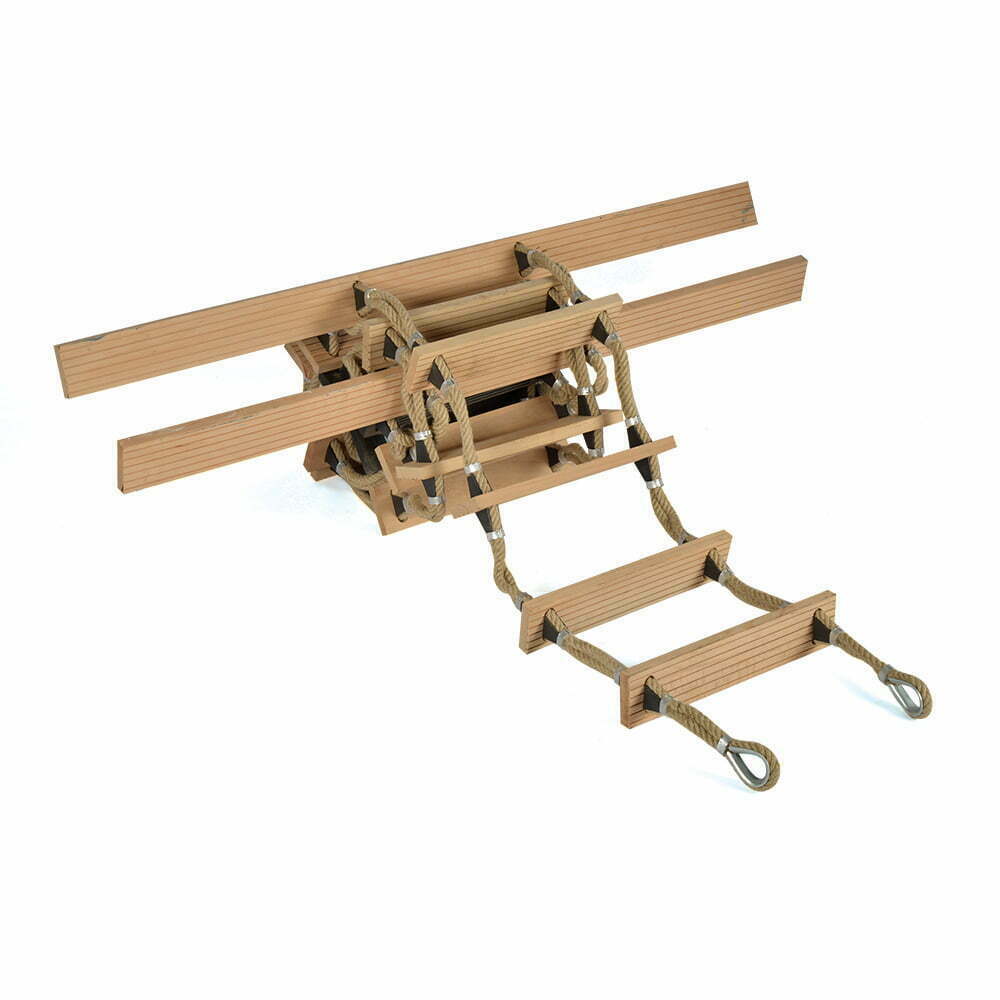
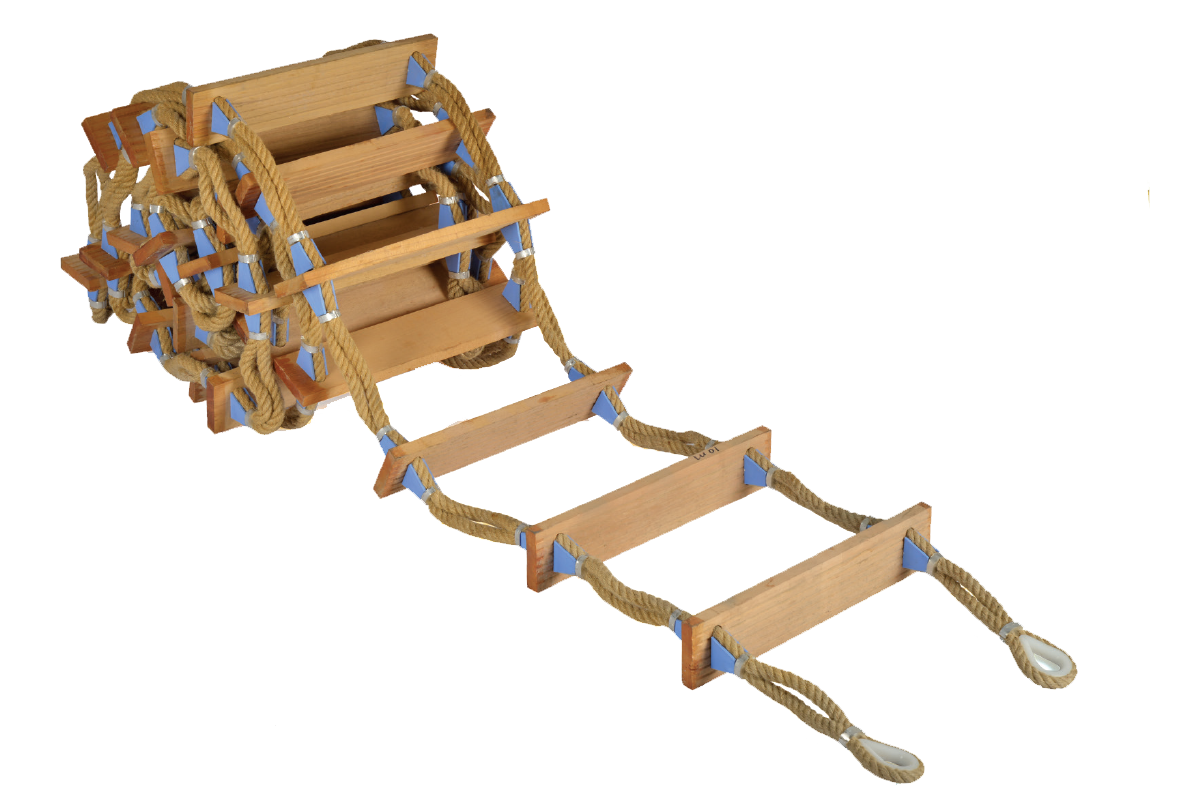
An Embarkation Ladder is a vital piece of lifesaving equipment that provides safe access between a vessel’s deck and the water during emergencies or evacuation procedures. Whether crew use it for boarding survival craft or for routine embarkation and disembarkation, the ladder must stay in excellent condition to protect both crew members and passengers.
To meet international maritime safety requirements, embarkation ladders must comply with SOLAS, IMO, LSA Code, Flag State, and Classification Society regulations. As a result, regular inspection, maintenance, and certification help ensure the ladder performs reliably when it’s needed most.
Why Embarkation Ladder Inspection Matters
Embarkation ladders face harsh marine conditions, including seawater, UV radiation, heavy use, and changing weather. Over time, these factors can weaken ropes, damage steps, and reduce the ladder’s overall safety. For this reason, routine inspections help you to:
- Ensure safe boarding and evacuation
- Detect wear and hidden defects
- Maintain SOLAS and IMO compliance
- Prevent equipment failure during emergencies
- Extend the service life of the ladder
- Improve vessel safety and operational readiness
International Standards & Compliance
Embarkation ladders must comply with SOLAS Chapter III, the IMO Life-Saving Appliances (LSA) Code, IMO MSC requirements, Flag State regulations, Classification Society requirements, and the manufacturer’s recommendations. Together, these standards specify the design, dimensions, materials, and installation requirements necessary for safe operation.
Key Inspection Points
Handholds
Handholds should provide a secure grip for personnel moving between the deck and the ladder. Consequently, inspectors check secure installation, structural condition, accessibility, and corrosion or damage.
Ladder Steps
Inspectors examine each step to verify there are no cracks or splits, no excessive wear, a smooth finish, and a non-slip surface in good condition, with proper dimensions in accordance with IMO requirements. Importantly, the steps should be made from approved hardwood or an equivalent material suitable for marine service.
Step Spacing
Proper spacing between steps is essential for safe climbing, so inspectors verify equal spacing, correct alignment, horizontal positioning, and secure attachment.
Side Ropes
The side ropes support the entire ladder, so inspectors carefully check them for fraying, broken fibres, abrasion, UV deterioration, chemical damage, proper diameter, and secure end fastening. If they find any damaged ropes, technicians should replace them immediately.
Rope Fastenings
Inspection also includes rope terminations, splices, fastening points, and security of attachment, since loose or damaged connections can compromise ladder safety.
General Condition
Finally, a complete visual inspection identifies corrosion, mechanical damage, deformation, missing components, and signs of ageing.
Related reading: An embarkation ladder is one part of a vessel’s wider lifesaving appliance setup. See our Lifeboat Inspections and Repair and Liferaft Inspections and Rental services for the survival craft it supports.
Benefits of Regular Inspection
Routine inspection helps vessel owners to:
- Improve crew safety
- Meet statutory survey requirements
- Maintain regulatory compliance
- Detect defects before failure occurs
- Reduce maintenance costs
- Increase equipment reliability
- Ensure emergency preparedness
Maintenance Recommendations
To maximize service life, crews should keep embarkation ladders:
- Cleaned after use
- Stored correctly when not in service
- Protected from unnecessary UV exposure
- Inspected before use
- Replaced if damaged or beyond service limits
Ultimately, proper maintenance keeps the ladder ready for emergency deployment.
Frequently Asked Questions
How often should an embarkation ladder be inspected?
In short, embarkation ladders should be visually inspected during routine safety checks and thoroughly examined as part of scheduled maintenance and statutory surveys.
What should be checked during an inspection?
Inspectors examine the steps, side ropes, handholds, rope fastenings, spacing, non-slip surfaces, and the overall structural condition of the ladder.
Why is proper step spacing important?
Because correct spacing provides safe footing, it helps reduce the risk of slips and falls during boarding or emergency evacuation.
When should an embarkation ladder be replaced?
You should replace a ladder if it shows signs of excessive wear, damaged ropes, cracked steps, loose fittings, or any condition that affects safe operation.
Safe Access Begins with Reliable Equipment
Embarkation ladders are more than a compliance requirement — they’re essential lifesaving equipment that can make a critical difference during an emergency. Regular inspection and maintenance help ensure every ladder stays safe, reliable, and ready for immediate use whenever required.
Why Choose Al Safwan Marine?
Al Safwan Marine provides professional inspection, testing, maintenance, and certification services for embarkation ladders and other lifesaving appliances worldwide. Our experienced engineers carry out inspections in accordance with IMO, SOLAS, LSA Code, Flag State, Classification Society, and OEM requirements, helping shipowners maintain compliance and strengthen onboard safety.
Our services include
Embarkation Ladder Inspection Lifesaving Appliance Inspection Lifeboats — Inspections and Repair Liferafts — Inspections and Rental Fire Fighting Equipments — Inspections Load Testing — Lifeboats and Cranes CO2 Hoses Supply — Marine Approved Automation Hydraulic Services
Al Safwan Marine — your global partner for marine inspection, testing & certification. Follow us on LinkedIn for the latest updates on lifesaving appliance compliance and marine inspection services.
Filed under Marine supply