
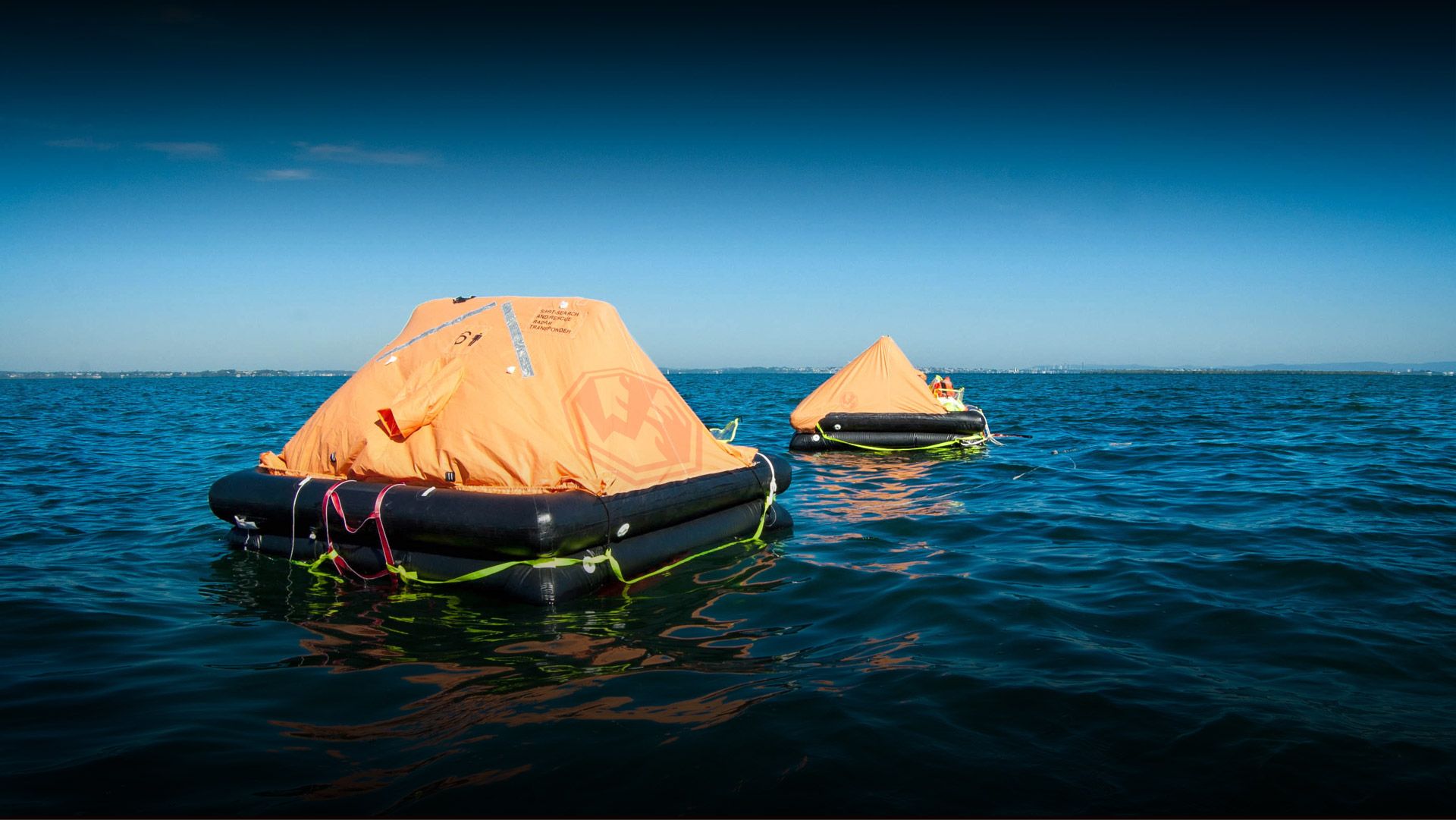
Annual Inspections Liferaft

Annual Inspections Liferaft

Annual Inspections Liferaft

A liferaft only gets one chance to work. Here’s what an Annual Liferaft Inspection actually checks to make sure that chance doesn’t fail.

A liferaft ranks among the most critical life-saving appliances onboard a vessel. In an emergency, there’s no second chance — it must deploy and function exactly as designed. However, continuous exposure to harsh marine conditions, including saltwater, UV radiation, temperature changes, and humidity, can gradually affect its condition and reliability.

Regular Annual Liferaft Inspection, therefore, helps verify that your liferaft remains fully operational, compliant with international marine safety regulations, and ready to protect lives during an emergency.

What Is an Annual Liferaft Inspection?

An Annual Liferaft Inspection is a comprehensive service that an approved liferaft servicing facility carries out to evaluate the condition, functionality, and readiness of inflatable liferafts. Specifically, trained technicians inspect the liferaft, inflation system, emergency equipment, and structural components during servicing to confirm they meet manufacturer specifications and applicable marine safety requirements. Ultimately, routine inspection helps identify wear, damage, or expired equipment before they become safety risks.

Why This Inspection Matters

Liferafts remain packed for extended periods and often sit exposed to demanding marine environments. Without regular inspection, therefore, hidden issues may go undetected until an emergency occurs. Specifically, annual servicing helps:

  • Ensure emergency readiness
  • Maintain SOLAS compliance
  • Detect damage before failure
  • Extend equipment lifespan
  • Verify inflation system performance
  • Confirm emergency equipment is complete
  • Reduce operational risks
  • Improve crew safety

What Happens During a Liferaft Inspection?

A professional Annual Liferaft Inspection typically includes the following steps.

External Inspection

Technicians examine the container or valise for signs of corrosion, cracks, impact damage, or deterioration.

Liferaft Inflation Test

Next, they inflate the liferaft under controlled conditions to verify proper deployment and structural integrity.

Fabric Inspection

Technicians then inspect the canopy, buoyancy chambers, seams, floor, and boarding arrangements for wear, punctures, and damage.

Inflation System Inspection

They also check the inflation cylinder, firing mechanism, inflation valves, and gas pressure to confirm reliable operation.

Emergency Equipment Check

Additionally, they inspect all emergency equipment, including:

  • Survival pack
  • Flares
  • First aid kit
  • Drinking water
  • Food rations
  • Sea anchor
  • Paddles
  • Repair kit
  • Torch
  • Signal equipment

Technicians replace expired or damaged items where required.

Repacking & Certification

Finally, after successful inspection and testing, technicians professionally repack the liferaft using approved procedures and issue the appropriate service certification.

Related reading: This annual servicing is one part of the wider compliance picture. See our General Requirements for Liferafts guide for the IMO/SOLAS design and equipment standards liferafts must meet.

Common Issues Found During Inspection

Routine servicing often identifies damaged fabric, moisture inside the container, corrosion, low inflation cylinder pressure, worn seams, expired emergency supplies, damaged valves, and UV deterioration. Early detection, however, helps prevent costly repairs and unexpected equipment failure.

Who Needs This Inspection?

Vessel operators typically schedule this servicing for cargo ships, tankers, offshore vessels, passenger ships, fishing vessels, yachts, naval vessels, offshore platforms, workboats, and marine service vessels.

Benefits of Regular Liferaft Servicing

Routine servicing provides several advantages:

  • Improves emergency preparedness
  • Enhances crew confidence
  • Supports regulatory compliance
  • Increases equipment reliability
  • Extends service life
  • Reduces unexpected failures
  • Maintains manufacturer recommendations
  • Supports vessel safety management

Marine Standards & Compliance

An Annual Liferaft Inspection supports compliance with applicable international regulations and manufacturer servicing requirements, including the SOLAS Convention, IMO guidelines, Flag State requirements, Classification Society requirements, and manufacturer service procedures. Technicians should always carry out inspections at an approved liferaft servicing station, using certified procedures.

Frequently Asked Questions

Most SOLAS-approved liferafts require servicing every 12 months at an approved service station, unless the manufacturer or applicable regulations specify otherwise.

Because inspection is the only way to catch hidden deterioration, moisture, expired emergency supplies, or inflation system faults before they become a problem.

Technicians replace expired components during servicing to maintain operational readiness.

Yes. Technicians can repair many defects using manufacturer-approved procedures before repacking and certifying the liferaft.

Regular Annual Liferaft Inspection is essential for ensuring lifesaving equipment performs reliably when it matters most. Professional servicing, ultimately, helps identify hidden defects, maintain compliance with international marine safety requirements, and keep your vessel prepared for an emergency.

Why Choose Al Safwan Marine?

At Al Safwan Marine, we provide professional annual liferaft servicing for commercial vessels, offshore platforms, and marine operators. Our experienced technicians follow approved inspection procedures to keep your liferafts safe, compliant, and ready for emergency deployment.

Schedule Your Inspection

Our services include: