A marine alarm monitoring system upgrade replaces obsolete monitoring platforms with modern PLC and SCADA solutions.
Many vessels still run legacy automation that has reached the end of its service life. As manufacturers discontinue hardware, software, and spare parts, maintenance costs rise, reliability drops, and unexpected downtime becomes more likely.
This guide explains why these systems become obsolete, what modernization offers, and how a PLC & SCADA platform improves vessel safety and automation performance.
What Is a Marine Alarm Monitoring System?
A marine alarm monitoring system continuously supervises critical onboard machinery and automation systems. Whenever abnormal operating conditions occur, it alerts operators. As a result, the engine room and bridge crew respond quickly, which reduces the risk of equipment damage and operational interruptions.
Typical monitoring applications include:
- Main engine monitoring
- Auxiliary engine alarms
- Generator monitoring, including SmartGen generator controllers
- Pump status
- Tank level monitoring
- Bilge alarms, as in our bilge tank alarm system project
- Fire & gas monitoring, supported by marine gas detection solutions
- Electrical distribution systems
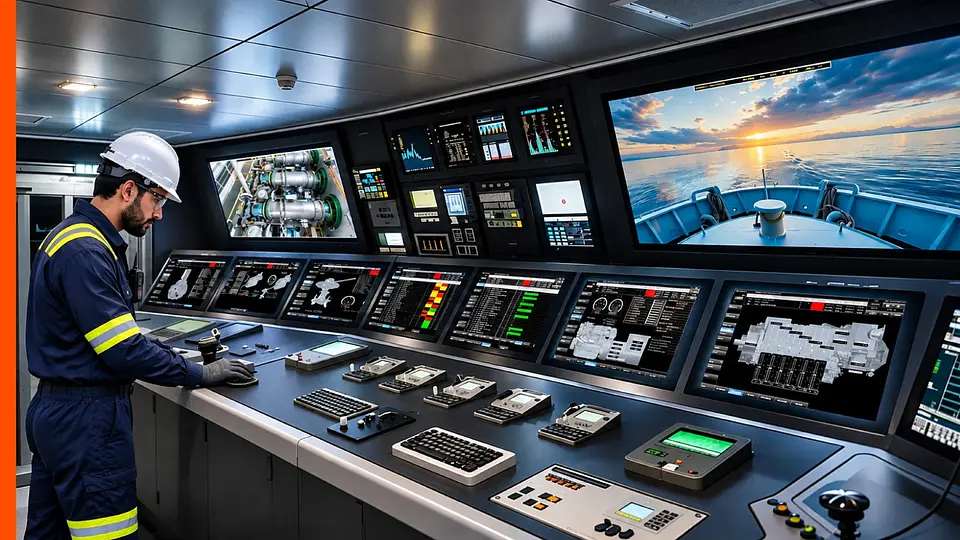
In addition, modern SCADA platforms provide real-time visualization, alarm history, event logging, trend analysis, and remote diagnostics. Consequently, operators gain greater control over vessel operations.
Why Upgrade Legacy Marine Alarm Monitoring Systems?
Many marine automation systems installed years ago still operate, but they have become increasingly difficult to maintain. Common reasons for upgrading include:
- Obsolete PLC hardware
- Unsupported monitoring software
- Limited spare parts availability
- Higher maintenance costs
- Cybersecurity concerns
- Difficulty integrating new equipment
Therefore, modernization improves reliability and extends the operational life of onboard automation systems. It also supports wider cost control, as our guide to fleet maintenance cost optimization explains.
Signs Your Marine Alarm Monitoring System Needs an Upgrade
Your vessel may benefit from an upgrade if you notice any of these signs:
- Frequent alarm failures
- Outdated operator displays
- Limited monitoring capabilities
- Increasing maintenance requirements
- Unavailable replacement parts
- Slow system response
- Difficult integration with modern equipment
Above all, planning an upgrade before a major failure minimizes downtime and improves long-term reliability.
Benefits of Modern PLC & SCADA Solutions
Modern PLC and SCADA platforms provide a reliable and scalable foundation for marine automation. Key benefits include:
Real-Time Alarm Monitoring
Operators see abnormal conditions the moment they occur.
Centralized Control
One platform supervises alarms, status, and connected equipment.
Event Logging & Trends
Historical logs and trend reports support faster fault finding.
Remote Diagnostics
Engineers review system health without waiting for a site visit.
Flexible Expansion
New sensors and equipment join the system without a full replacement.
Improved Cybersecurity
Supported platforms receive security updates and long-term backing.
Notably, cybersecurity now carries regulatory weight. For example, IACS cyber resilience requirements apply to onboard systems on newer vessels, so a supported platform makes compliance easier.
How PLC & SCADA Work Together
The PLC collects information from onboard sensors and controls connected equipment. Meanwhile, the SCADA system gives operators a graphical interface for monitoring alarms, viewing system status, analysing trends, and responding to abnormal conditions.
Together, they create an intelligent alarm monitoring solution that improves safety, simplifies maintenance, and enhances operational efficiency. See how we applied this approach in our cargo pump VFD retrofit and PLC integration.
The Marine Alarm Monitoring System Upgrade Process
A successful upgrade needs careful planning. In this way, vessel operations face minimal disruption while reliability and performance improve.
1
System Assessment
First, engineers evaluate the existing automation system, including PLCs, alarm panels, sensors, communication networks, and operator interfaces. This identifies obsolete components and shapes the most effective upgrade strategy.
2
PLC & SCADA Migration
Next, engineers replace legacy controllers with modern PLCs and upgrade outdated monitoring software to a modern SCADA platform. This delivers centralized alarm monitoring, process visualization, and system control.
3
HMI & Alarm Configuration
Then, our team develops a modern Human Machine Interface (HMI) that displays real-time information clearly. We also configure alarm priorities, event logging, trends, and notifications so operators respond quickly to abnormal conditions.
4
Testing & Commissioning
Finally, engineers run comprehensive tests before commissioning the upgraded system. These tests verify:
- PLC functionality
- SCADA communication
- Alarm notifications
- Sensor integration
- Network connectivity
- Data logging
- Operator interface performance
As a result, the system runs safely and reliably from day one.
Best Practices for Marine Alarm Management
To maximize system performance, vessel operators should:
- Prioritize critical alarms
- Eliminate unnecessary alarm notifications
- Perform regular software backups
- Maintain alarm history records
- Conduct routine preventive marine maintenance
- Periodically review system performance
Following these practices improves operational safety and reduces unnecessary downtime.
Future-Proofing Your Marine Automation System
Modern marine automation systems should scale to support future vessel upgrades and operational requirements. A modern PLC & SCADA platform integrates easily with additional sensors, monitoring equipment, and control systems. Therefore, you avoid replacing the entire automation infrastructure.
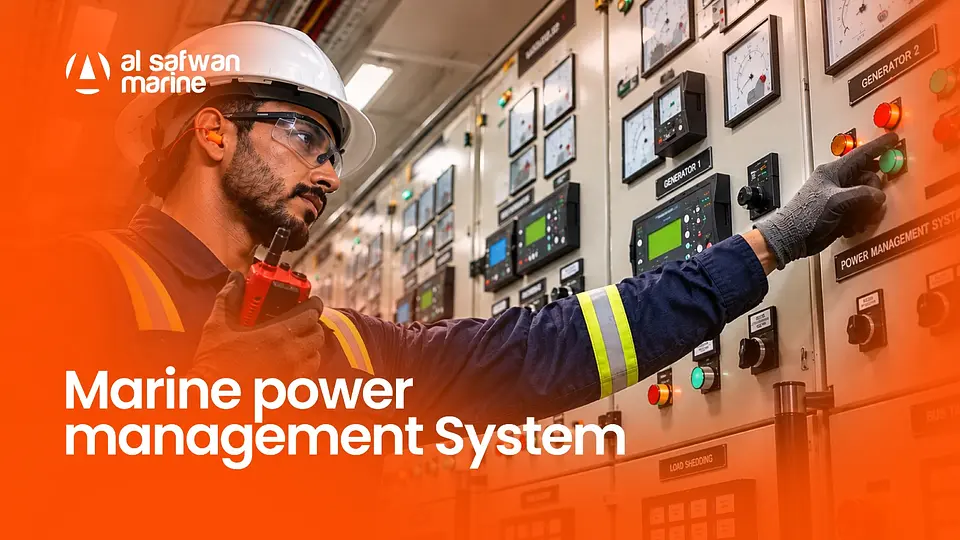
Likewise, regular maintenance, software updates, and periodic health checks protect long-term reliability and cybersecurity. For wider calibration and certification needs, explore our automation and calibration services. Our marine power management system guide also shows how automation improves vessel efficiency.
Common Questions About Upgrading
Can a legacy system be upgraded?
Yes. Most legacy systems can move to modern PLC & SCADA solutions while keeping compatible field devices and existing vessel infrastructure.
Will an upgrade require long vessel downtime?
Not necessarily. With proper planning and phased implementation, many upgrades fit into scheduled maintenance or dry dock periods, which minimizes operational disruption.
Which vessels benefit from alarm monitoring upgrades?
These upgrades suit a wide range of vessels and facilities:
- Cargo vessels
- Tankers
- Offshore support vessels
- Passenger vessels
- Naval vessels
- Offshore platforms
- Industrial marine facilities
Conclusion
As marine automation systems age, maintaining obsolete alarm monitoring platforms becomes increasingly challenging. Upgrading to a modern system using PLC & SCADA improves reliability, enhances alarm visibility, simplifies maintenance, and supports future automation requirements.
A well-planned modernization project reduces downtime and helps vessel owners maintain safe, efficient, and reliable operations for years to come.
Why Choose Al Safwan Marine?
At Al Safwan Marine, we specialize in marine alarm monitoring system upgrades, PLC & SCADA integration, marine automation, control system modernization, HMI development, system migration, commissioning, and technical support.
Our experienced engineers deliver reliable automation upgrades tailored to marine and offshore operations. Moreover, our global network helps vessel owners modernize legacy systems, improve operational efficiency, and maintain long-term system reliability.
To know more about:
- Marine Automation
- Automation & Calibration
- Marine Power Management Systems
- Automation & Calibration Insights
Follow Al Safwan Marine on LinkedIn for more marine safety insights.
Frequently asked questions
What is a marine alarm monitoring system?
A marine alarm monitoring system continuously monitors critical onboard equipment and alerts operators to abnormal conditions, helping improve safety and reduce equipment downtime.
Why should a marine alarm monitoring system be upgraded?
Upgrading replaces obsolete hardware and software with modern PLC & SCADA platforms, improving reliability, cybersecurity, alarm management, and long-term system support.
What are the benefits of PLC & SCADA in marine automation?
PLC & SCADA solutions provide real-time monitoring, centralized control, event logging, trend analysis, remote diagnostics, and easier integration with modern marine systems.
Can legacy marine alarm systems be modernized?
Yes. Most legacy systems can be upgraded while retaining compatible sensors, field devices, and existing vessel infrastructure.
Does upgrading require extended vessel downtime?
Not always. With proper planning, many upgrades can be completed during scheduled maintenance or dry dock periods, minimizing operational disruption.
Which vessels benefit from marine alarm monitoring system upgrades?
Cargo vessels, tankers, offshore support vessels, passenger ships, naval vessels, offshore platforms, and industrial marine facilities can all benefit from modern alarm monitoring systems.
Filed under Automation & calibration