
 3D
Surveys, PSC and compliance
Flag, class and port state control
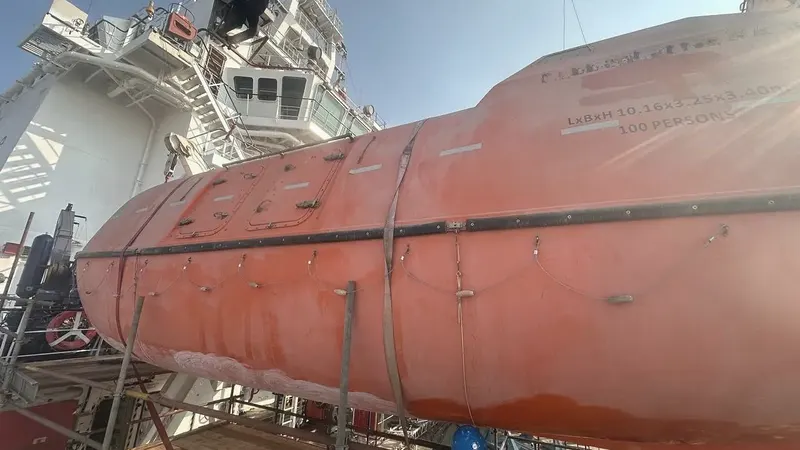
How surveys, class approval, flag rules and port state inspections shape lifeboat work on a managed fleet.
6 lessons1 h 30 minAdvanced
Launch period. Every course is free for a limited time. What happens after
How surveys, safety and labour audits and port state inspections work, and how a ship gets ready for them.
7 lessons 1 h 45 min Practical 3D simulator in every lesson Course completed card
You will be able to read any ship's certificates, work out every survey window, and know what a missed window or an extension really means.
You will know which body is responsible for each survey, certificate and decision, and where to go when something needs fixing or approving.
You will know how the DOC and SMC audit cycle runs, how findings are graded and closed, and how a port State officer turns a broken item into an ISM deficiency.
You will know how the ISSC cycle works, which security records must be on board, and what a port State officer may and may not ask to see.
You will know how the maritime labour certificate is inspected and renewed, what an inspector checks in the medical locker, and which amendments apply now and from 2027.
You will be able to walk a ship and check every escape sign, equipment marking and fire control symbol against A.1116(30) and the SOLAS rules behind it.
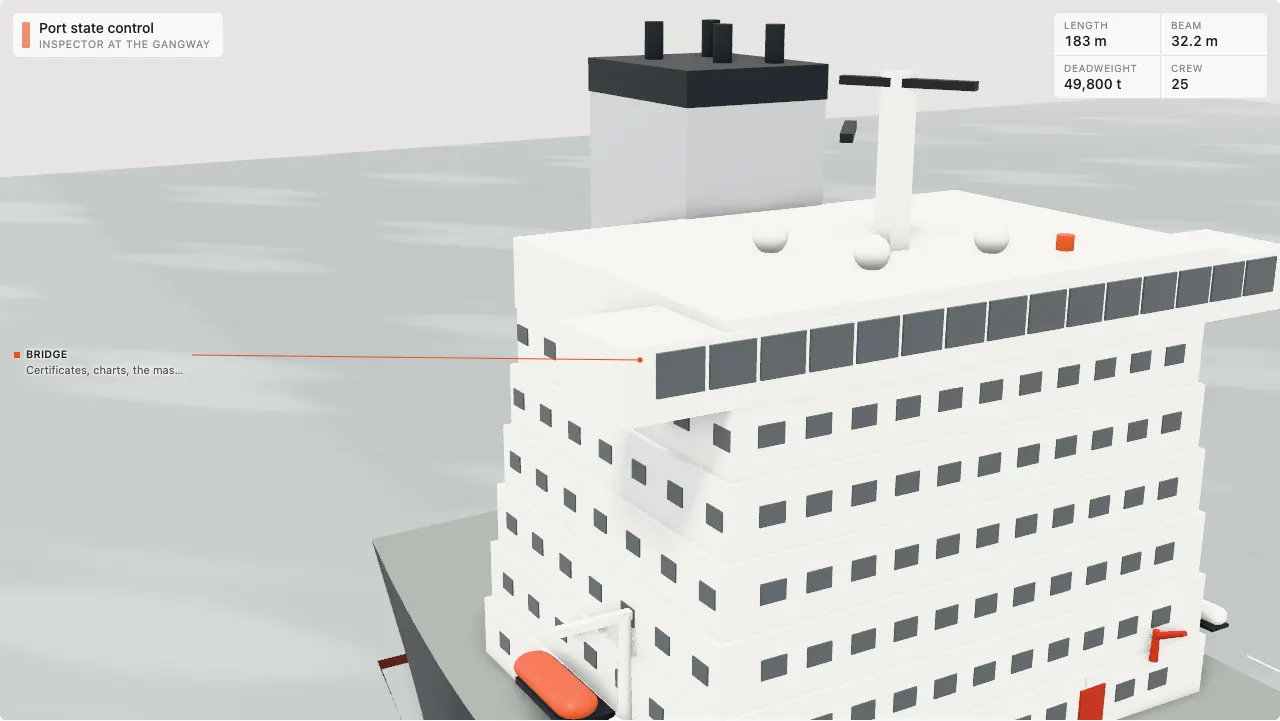
You will understand how a PSC inspection runs from the gangway to the report, what makes an officer detain a ship, and how to prepare a ship that passes.
Finish every lesson to get a Course completed card with your name and a QR code anyone can scan to verify.
Share it on LinkedIn, WhatsApp and elsewhere, or download the picture.

Every ship lives on a calendar of surveys, audits and inspections. The flag State, or a classification society acting for it, surveys the hull and equipment and issues the safety certificates. Auditors check the safety management system, the ship security plan and seafarers’ working and living conditions. Then, in almost every port, a port State control officer can walk up the gangway and ask to see all of it. Miss a survey window and a certificate stops being valid on the spot. Fail a port State inspection and the ship stays alongside.
The numbers show how often this goes wrong. In 2025 the Tokyo MOU carried out 35,546 inspections and detained 1,255 ships (3.53%); the most frequent detainable deficiencies were fixed fire-extinguishing installations, ISM and lifeboats. The Paris MoU recorded 16,474 inspections and 688 detentions, a detention rate of 4.18%, up from 4.03% in 2024, with fire safety, structural and electrical items and seafarers’ health and medical care named as recurring problem areas (Tokyo MOU Annual Report 2025; Paris MoU Annual Report 2025, as summarised by IIMS).
This course explains the system from the inside: which survey is due when and why, who does what between flag, class and port State, how ISM, ISPS and MLC audits really work, what the IMO safety signs must look like, and how to prepare a ship so that a port State inspection ends with a clean report. Every rule is cited to the instrument in force on the date shown, including the 2025 Survey Guidelines under the HSSC, resolution A.1207(34), and the Procedures for Port State Control, 2025, resolution A.1206(34).
3D
Surveys, PSC and compliance
How surveys, class approval, flag rules and port state inspections shape lifeboat work on a managed fleet.
6 lessons1 h 30 minAdvanced
 3D
Surveys, PSC and compliance
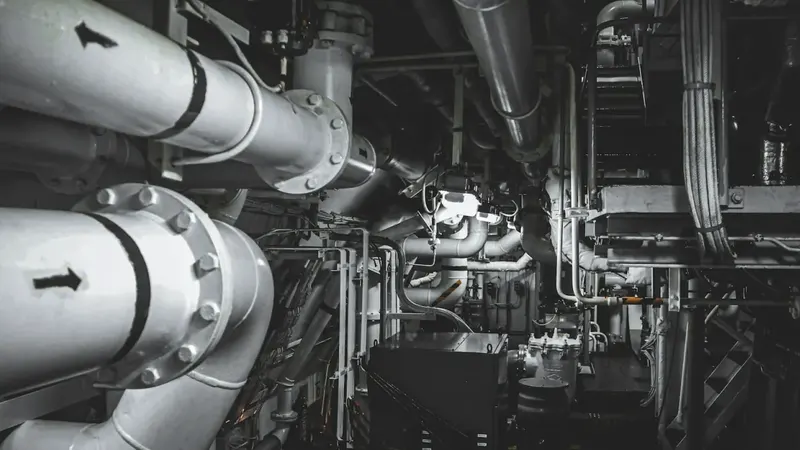
Oily water separators, bilge alarms, the Oil Record Book and ballast water systems, ready for inspection.
6 lessons1 h 29 minPractical
 3D
Lifeboats and liferafts
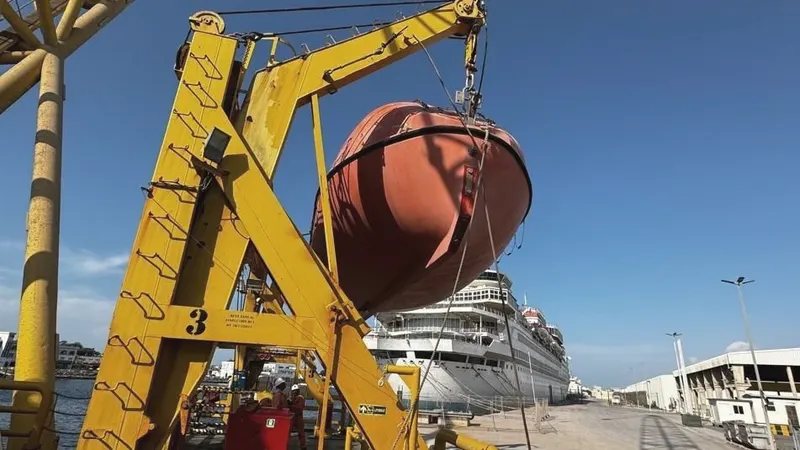
Why lifeboats hurt people, which rules keep crews safe, and what to check, log and leave to specialists.
8 lessons1 h 30 minIntroductory