Al Safwan Academy
Start learning freeStart free

Topic · free courses

Marine hydraulics courses

How ship and offshore hydraulics work, from the first push of a jack to load-sensing pumps, crane circuits and steering gear.

  • 1 course, 20 lessons
  • About 2 h 16 min in all
  • Free certificate

Lesson 1 takes 6 min. It is open to everyone, no account needed.

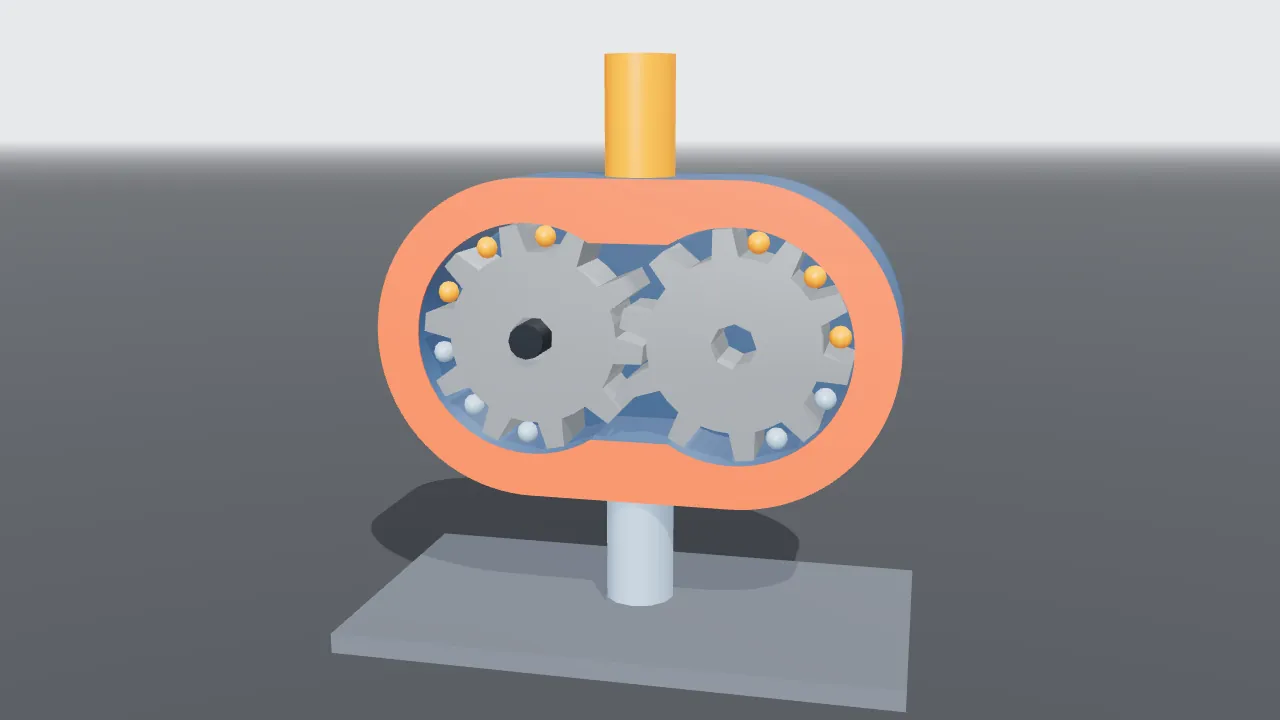
A lesson from this topic How a hydraulic gear pump works, and why it wears Lesson 6 of Marine hydraulics · 7 min

The course

The 20 lessons

2 h 16 min

  1. Pascal's law: how a small push lifts a heavy load 6 min Open to all
  2. Hydraulic pressure and flow: what each one really does 7 min
  3. The basic hydraulic circuit: pump, relief valve, control valve and cylinder 7 min
  4. Hydraulic symbols explained: how to read an ISO 1219 diagram 6 min
  5. Hydraulic oil viscosity: why temperature changes everything 6 min
  6. How a hydraulic gear pump works, and why it wears 7 min
  7. How an axial piston pump works: the swashplate, the valve plate and the case drain 7 min
  8. How a hydraulic relief valve works: direct-acting and pilot-operated 7 min
  9. How a directional control valve works: spools, ports and centre types 6 min
  10. Check valves and pilot-operated check valves: how a load is held 6 min
  11. How a counterbalance valve stops a crane load running away 7 min
  12. Hydraulic cylinders: push, pull, speed and regeneration 7 min
  13. Hydraulic motors and winches: how flow makes speed and pressure makes torque 7 min
  14. Hydraulic accumulators: how nitrogen stores oil under pressure 6 min
  15. Hydraulic contamination: particles, clearances and filters 6 min
  16. Load sensing explained: one job, three pumps, and where the power goes 7 min
  17. Where hydraulic heat comes from, and why the oil overheats 7 min
  18. Pump cavitation and aeration: why a hydraulic pump gets noisy 7 min
  19. How ship steering gear works: rams, the Rapson slide and two pump units 9 min
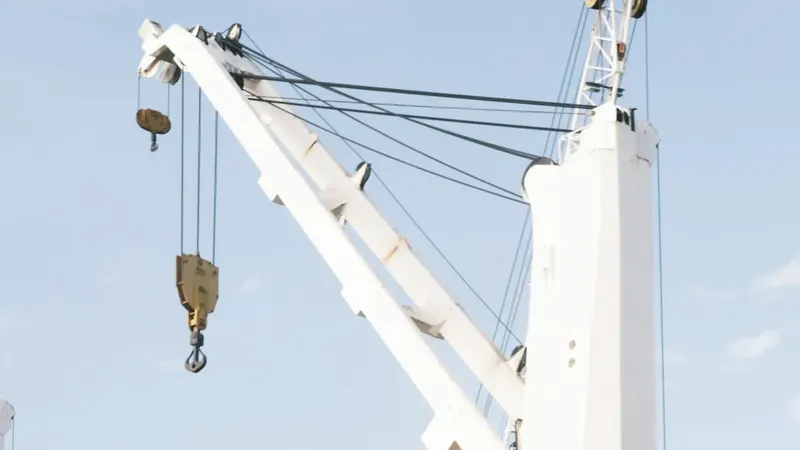
  20. How a hydraulic crane circuit works: slew, luff and hoist from one pump 8 min

Lesson 1 is open to everyone. Your email opens the rest, free.

What you will be able to do

After the course in this topic.

  • Explain pressure and flow and what each one does in a circuit
  • Read an ISO 1219 hydraulic diagram
  • Say how pumps, valves, cylinders, motors and accumulators work inside
  • Trace why oil overheats, why a pump gets noisy and how dirt wears a system
  • Follow a crane circuit and a steering gear system from the pump to the load

Questions people ask

Does a bigger piston make more pressure?

No, the opposite. For the same load, a bigger piston needs less pressure because the weight is spread over more area. The pressure in a hydraulic system is set by the load and the area it acts on, never by the size of the piston alone.

Why does my jack sink slowly after I stop pumping?

Oil is getting back from the loaded side to the reservoir. On a jack, the usual causes are a dirty or worn outlet check valve or a release valve that doesn’t fully close. On a machine cylinder, look at the piston seal and any load-holding valves. Never work under a load held only by hydraulics.

Is hydraulic pressure the same everywhere in the system?

When the oil is still, yes, which is Pascal’s law. When oil is flowing, pressure drops along each hose and through each valve, so pressure at the pump is higher than at the cylinder. The difference is what drives the flow.

Why is oil used instead of water?

Oil lubricates the pump and valves, protects steel against rust, works over a wide temperature range and doesn’t boil at the temperatures a system reaches. Water-based fluids are used where fire is a risk, but they need special pumps and seals.

Does a hydraulic pump create pressure?

No. A positive displacement pump creates flow. Pressure builds only when that flow meets resistance: the load, valves, hoses, or a relief valve at the end of stroke. A pump with its outlet open to the tank runs at almost zero pressure.