 3D
Lifeboats and liferafts
Lifeboat safety and the rules
Why lifeboats hurt people, which rules keep crews safe, and what to check, log and leave to specialists.
8 lessons1 h 30 minIntroductory
Collection · free courses
Every safety course in one place: lifeboats and liferafts, fire-fighting, gas detection, lifting gear, bridge equipment and surveys, written by the engineers who inspect them.
3D
Lifeboats and liferafts
Why lifeboats hurt people, which rules keep crews safe, and what to check, log and leave to specialists.
8 lessons1 h 30 minIntroductory
 3D
Lifeboats and liferafts
What the annual and five-yearly lifeboat examinations must cover, step by step, from the hull to the winch brake.
8 lessons2 hAdvanced
 3D
Lifeboats and liferafts
How lifeboats, rescue boats and their davits work, how they are examined and load-tested, and how to drill safely.
9 lessons2 h 10 minPractical
 3D
Lifeboats and liferafts
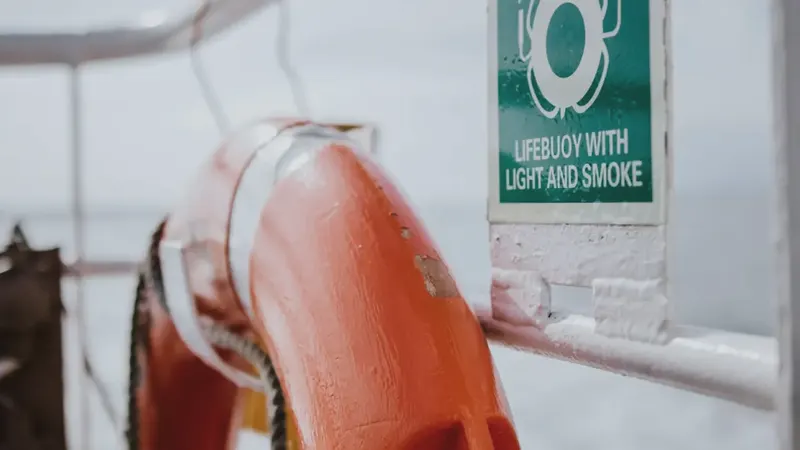
Liferafts, evacuation slides, lifejackets, immersion suits, flares and beacons: how each one is serviced and tested.
8 lessons1 h 49 minPractical
 3D
Fire safety
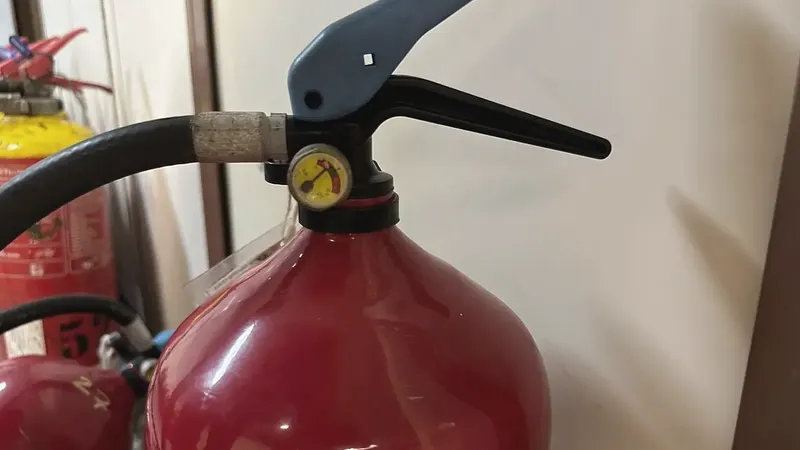
Check, service and test extinguishers, breathing sets and fire hoses the way surveyors expect.
7 lessons1 h 40 minIntroductory
 3D
Fire safety
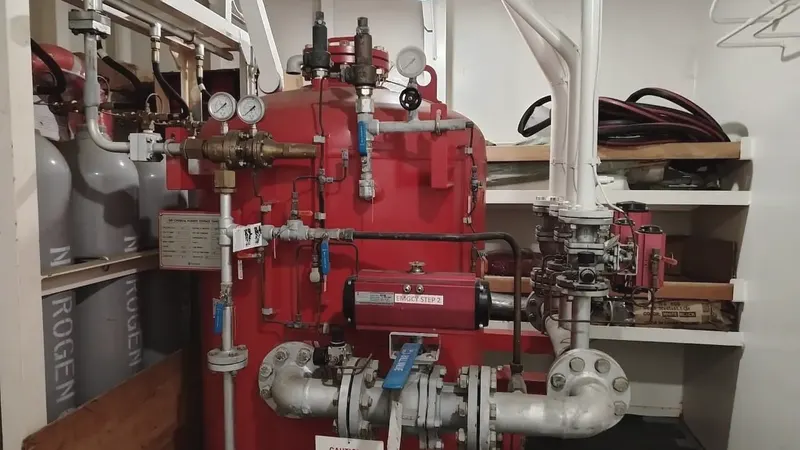
How CO2, foam, water mist, sprinklers and fire detection work on board, and how each system is tested.
8 lessons2 h 6 minPractical
 3D
Gas detection and enclosed spaces
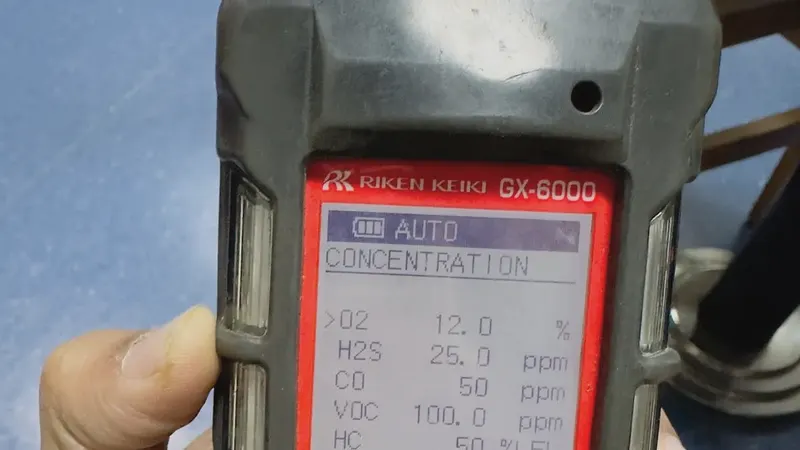
Use and calibrate gas meters, and run an enclosed space entry that brings everyone back out.
6 lessons1 h 30 minIntroductory
 3D
Deck, lifting and hull
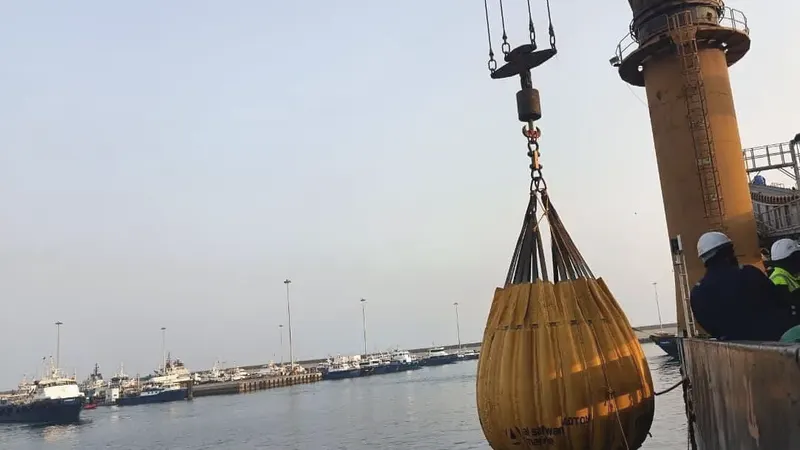
Cranes, wire rope, mooring gear, gangways and pilot ladders: the tests and records that keep them safe.
10 lessons2 h 25 minPractical
 Interactive
Deck, lifting and hull
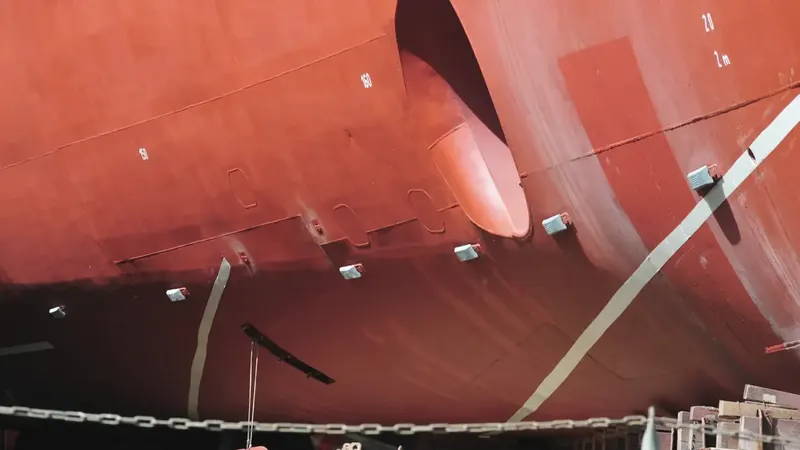
How hull thickness is measured, which tests find hidden cracks, and how hatch covers are checked for leaks.
5 lessons1 h 14 minAdvanced
 Interactive
Navigation and radio
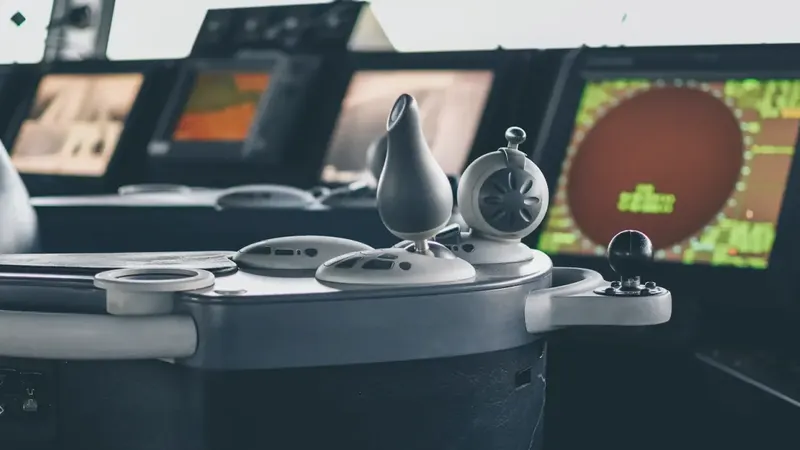
What the bridge must carry, and how the voyage data recorder, radios, radar, compass and AIS are tested.
7 lessons1 h 37 minPractical
 Interactive
Surveys, PSC and compliance
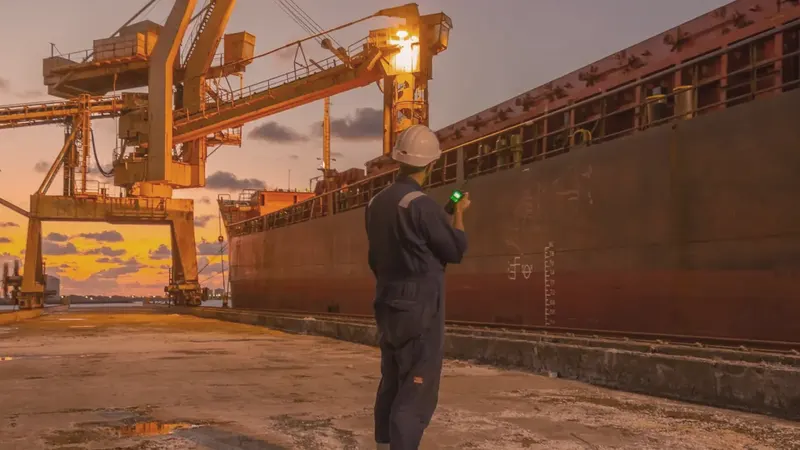
How surveys, safety and labour audits and port state inspections work, and how a ship gets ready for them.
7 lessons1 h 45 minPractical
 Interactive
Surveys, PSC and compliance
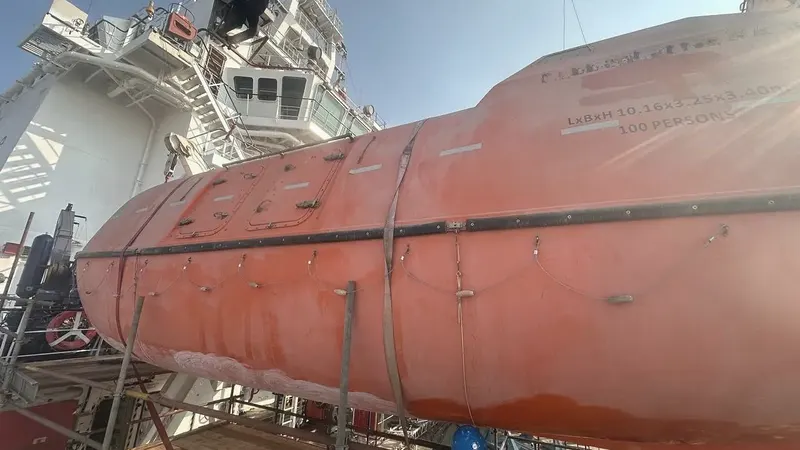
How surveys, class approval, flag rules and port state inspections shape lifeboat work on a managed fleet.
6 lessons1 h 30 minAdvanced
 Interactive
Surveys, PSC and compliance
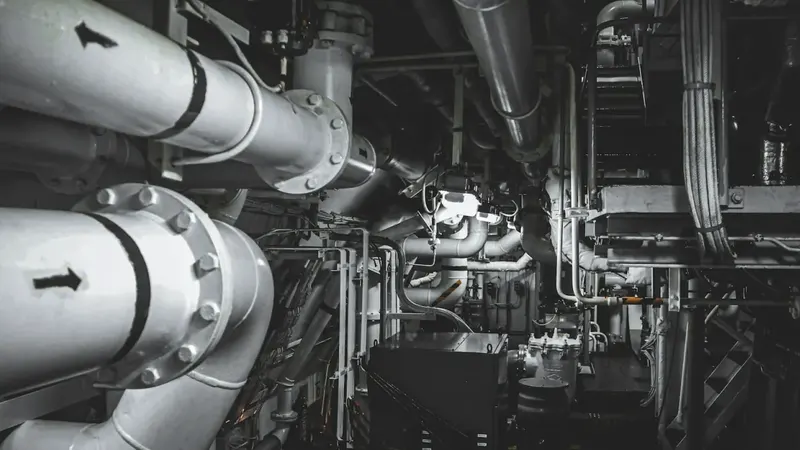
Oily water separators, bilge alarms, the Oil Record Book and ballast water systems, ready for inspection.
6 lessons1 h 29 minPractical
A requirement. It was adopted as a resolution, but SOLAS regulation III/3.25 and III/20.11.5 make it mandatory, and amendments to it follow the SOLAS amendment procedure. That is why its 2024 amendment, MSC.559(108), entered into force on a fixed date like a SOLAS amendment.
Only if the company is itself an authorised service provider under MSC.402(96) sections 3 and 7, and the people doing the work hold certificates for that make and type under section 8. Otherwise the crew does the weekly and monthly work and an authorised provider does the annual work.
Partly. It covers the launching appliances and automatic release hooks of davit-launched liferafts, not the liferafts themselves. Inflatable liferafts are serviced at approved servicing stations under SOLAS III/20.8.
Because it works with the ship blacked out. The LSA Code requires launching by gravity or stored mechanical power independent of the ship’s power supplies, in both the loaded and light condition.
Off-load release only opens the hooks when the boat is afloat and the falls are slack. On-load release opens them with weight on the hooks, for a ship that cannot wait, for example when making way. On-load release is protected by a hydrostatic interlock and a breakable cover so that nobody can trigger it by accident.