
 3D
Deck, lifting and hull
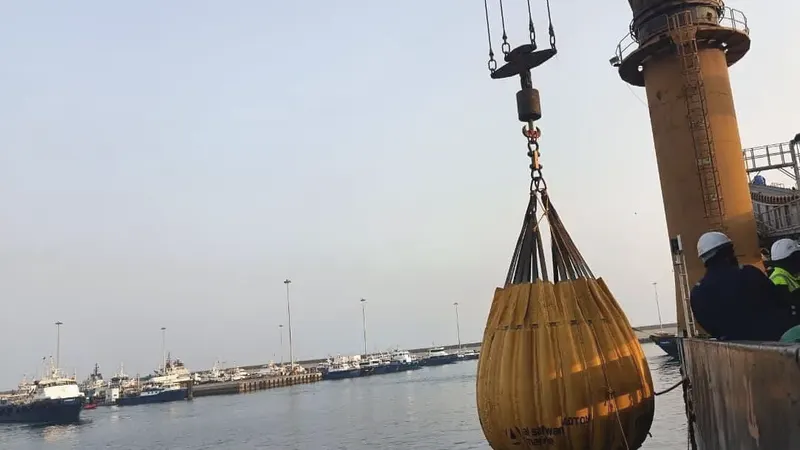
Lifting appliances, deck machinery and access equipment
Cranes, wire rope, mooring gear, gangways and pilot ladders: the tests and records that keep them safe.
10 lessons2 h 25 minPractical
Launch period. Every course is free for a limited time. What happens after
How hull thickness is measured, which tests find hidden cracks, and how hatch covers are checked for leaks.
5 lessons 1 h 14 min Advanced 3D simulator in every lesson Course completed card
You will be able to map any ship's hull surveys on a five-year timeline and say when thickness gauging, close-up survey and bottom inspection are due.
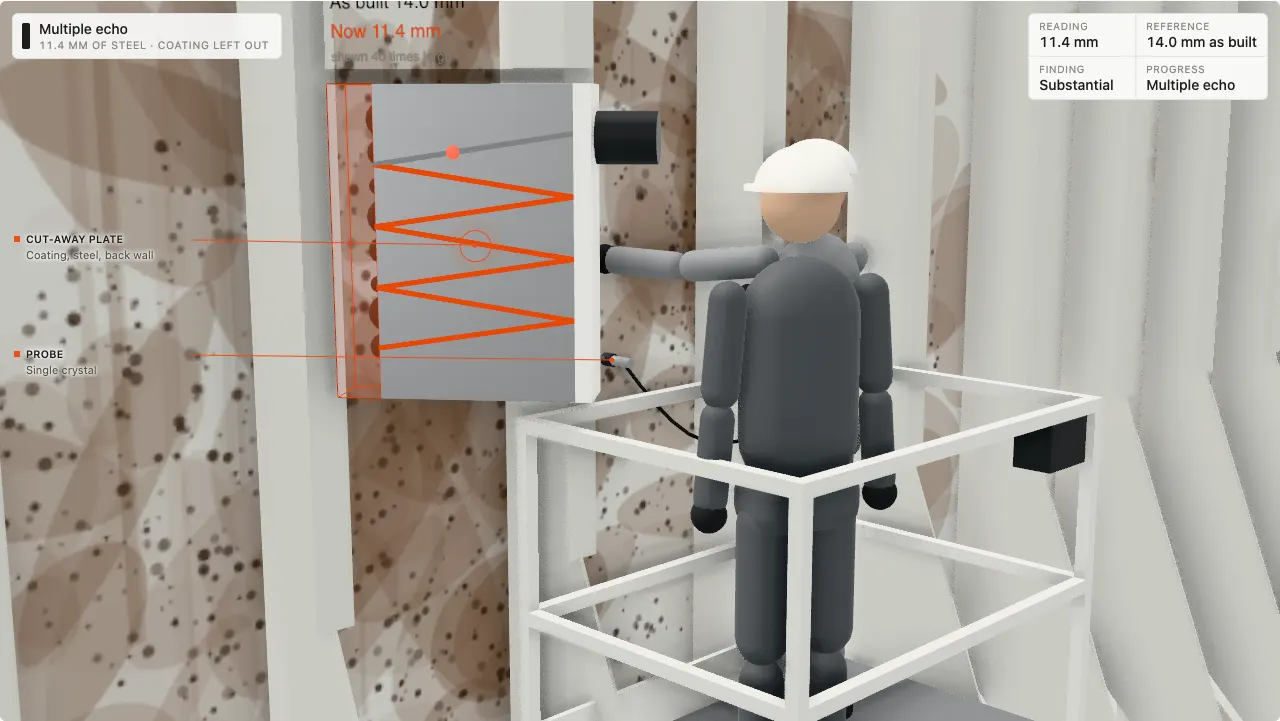
You will be able to explain how a thickness reading is made, spot a bad one, work out diminution against the class margin, and check a gauging firm's approval and report.
You will be able to pick the right NDT method for a hull weld or a suspected crack and check that the people and the procedure behind the result are acceptable to class.
You will be able to plan and witness a hatch cover tightness test, read ultrasonic results against the open hatch value, and recognise the defects no test will show.
You will be able to decide whether an in-water survey can replace a bottom inspection in dry dock, and prepare one that the class surveyor will credit.
Finish every lesson to get a Course completed card with your name and a QR code anyone can scan to verify.
Share it on LinkedIn, WhatsApp and elsewhere, or download the picture.
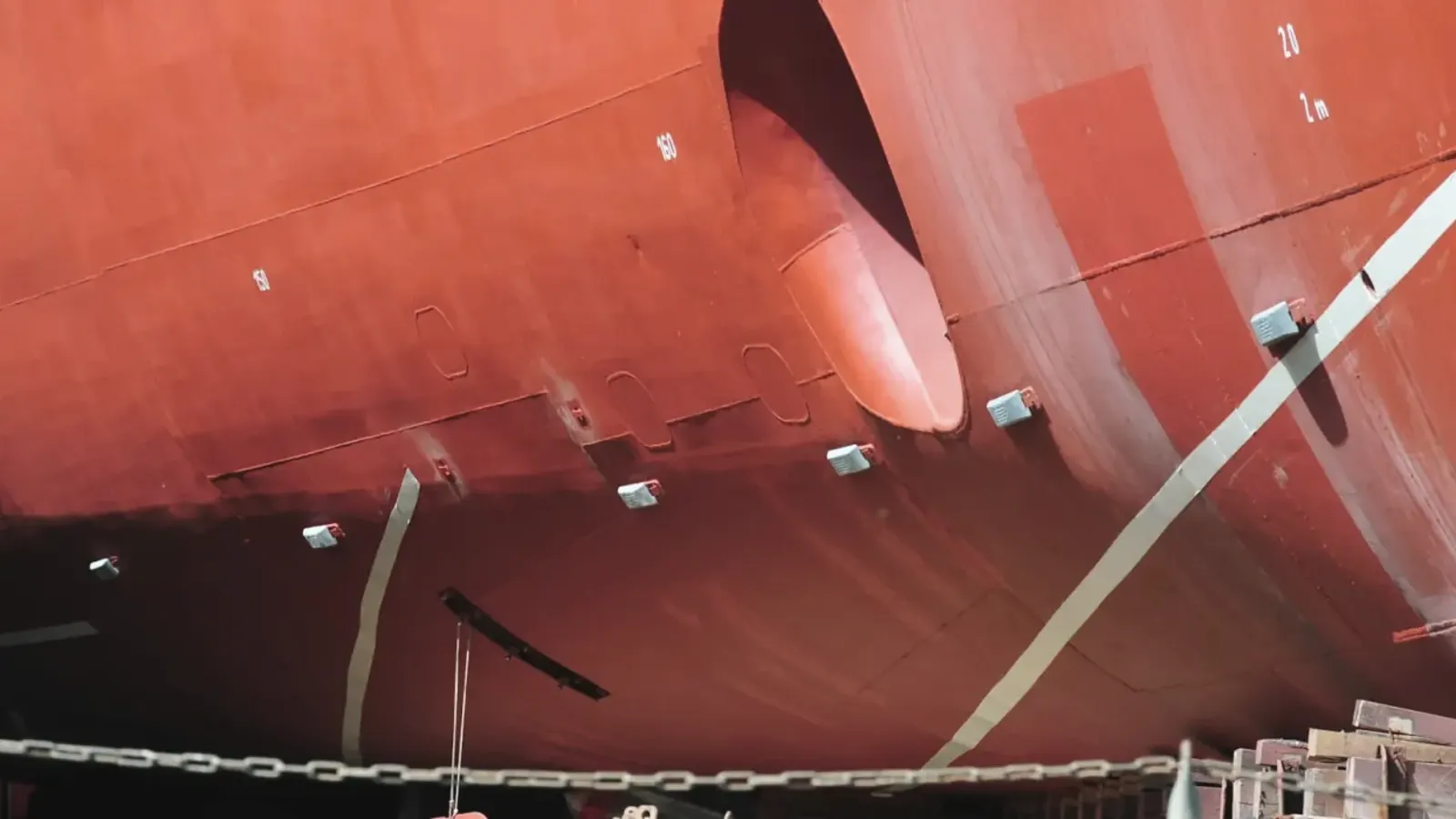
A ship’s hull is steel that rusts from the day it is launched. Class surveys exist to find that loss of steel before it becomes a fracture, a flooded hold or wet cargo. Port State control officers in the Paris MoU region recorded 6,004 deficiencies under SOLAS chapter II-1 (structure, subdivision and machinery) in 2025, 11.6% of everything they found, and another 2,637 under the Load Line Convention, which covers hatch covers and other closing appliances. The detention rate rose to 4.18%. Behind those numbers are thin plates, cracked brackets, leaking hatch covers and survey records that do not add up.
This course follows the hull through its five-year class cycle. It shows when thickness has to be measured and who may measure it, how an ultrasonic gauge actually reads steel through paint, which non-destructive testing (NDT) methods find which defects, how hatch covers are proved weathertight with ultrasound, and when a diver or remotely operated vehicle (ROV) may inspect the bottom instead of a dry dock. It is built on the IACS Unified Requirements Z3, Z7, Z7.1, Z10.x and Z17, the 2011 ESP Code, the IMO Survey Guidelines under the Harmonized System of Survey and Certification (HSSC) and the IACS weld-testing requirements W33 to W35. Changes already adopted but not yet in force, such as UR Z17 Revisions 22 to 24 (2027 and 2028), are flagged as coming.
Every rule statement is cited to its paragraph so you can check it against your own class society’s rules, which always decide the details for your ship.
3D
Deck, lifting and hull
Cranes, wire rope, mooring gear, gangways and pilot ladders: the tests and records that keep them safe.
10 lessons2 h 25 minPractical
 3D
Lifeboats and liferafts
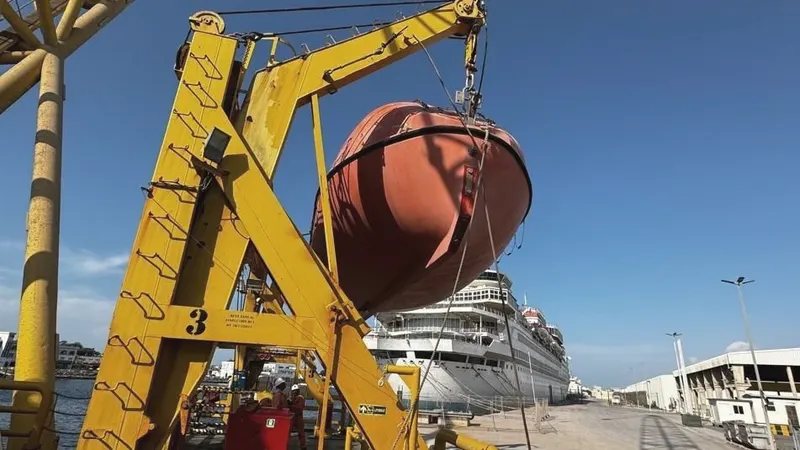
Why lifeboats hurt people, which rules keep crews safe, and what to check, log and leave to specialists.
8 lessons1 h 30 minIntroductory
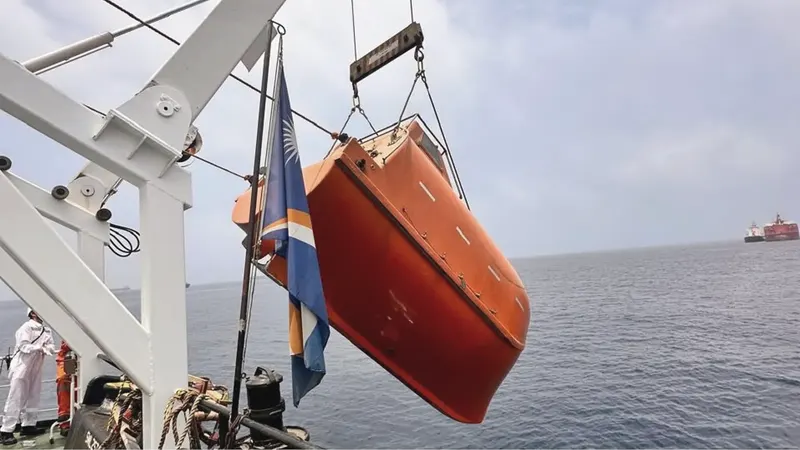 3D
Lifeboats and liferafts
What the annual and five-yearly lifeboat examinations must cover, step by step, from the hull to the winch brake.
8 lessons2 hAdvanced