
 3D
Deck, lifting and hull
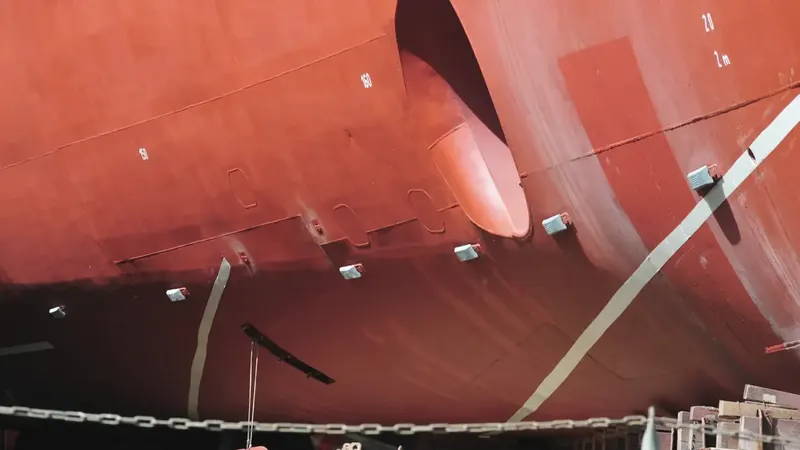
Hull integrity: thickness, NDT and hatch covers
How hull thickness is measured, which tests find hidden cracks, and how hatch covers are checked for leaks.
5 lessons1 h 14 minAdvanced
Launch period. Every course is free for a limited time. What happens after
Cranes, wire rope, mooring gear, gangways and pilot ladders: the tests and records that keep them safe.
10 lessons 2 h 25 min Practical 3D simulator in every lesson Course completed card
You will know what goes into the register of lifting appliances, who signs it, and how ILO and SOLAS records fit together since 2026.
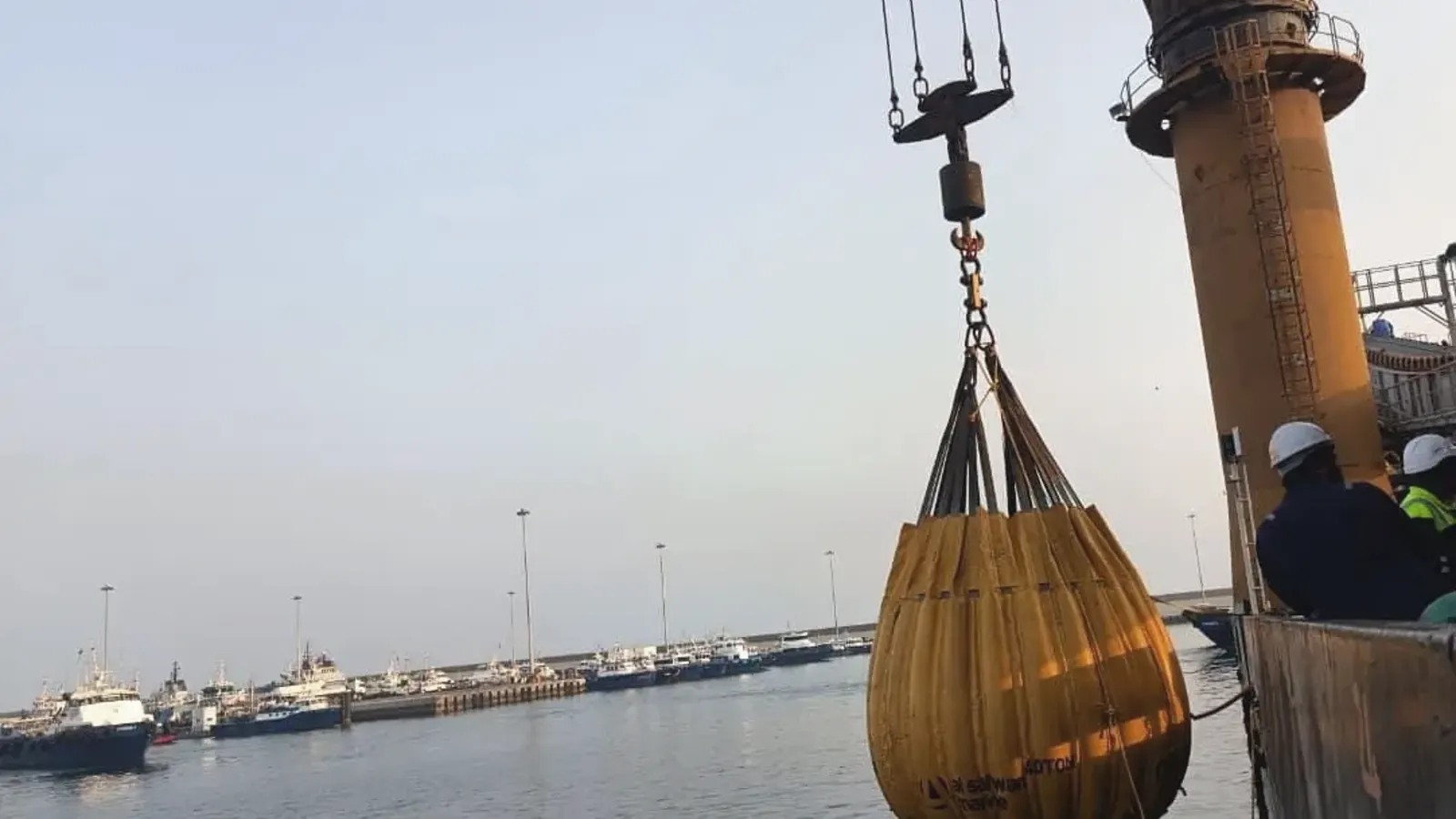
You will be able to plan the 12-monthly and five-yearly cycle and calculate the test load for any crane, derrick or item of loose gear.
You will be able to plan and witness a crane or derrick load test step by step and spot the errors that make the certificate worthless.
You will be able to inspect a running wire rope, recognise the discard signs and check that a replacement rope is properly certified.
You will know which cranes and winches SOLAS II-1/3-13 covers, what each ship must have done by its first renewal survey, and how flags apply it.
You will be able to run a mooring line management system that meets SOLAS II-1/3-8 and pick a replacement line without overloading the ship's fittings.
You will be able to inspect and rig a gangway or accommodation ladder to the revised IMO guidelines and plan its annual and five-yearly survey items.
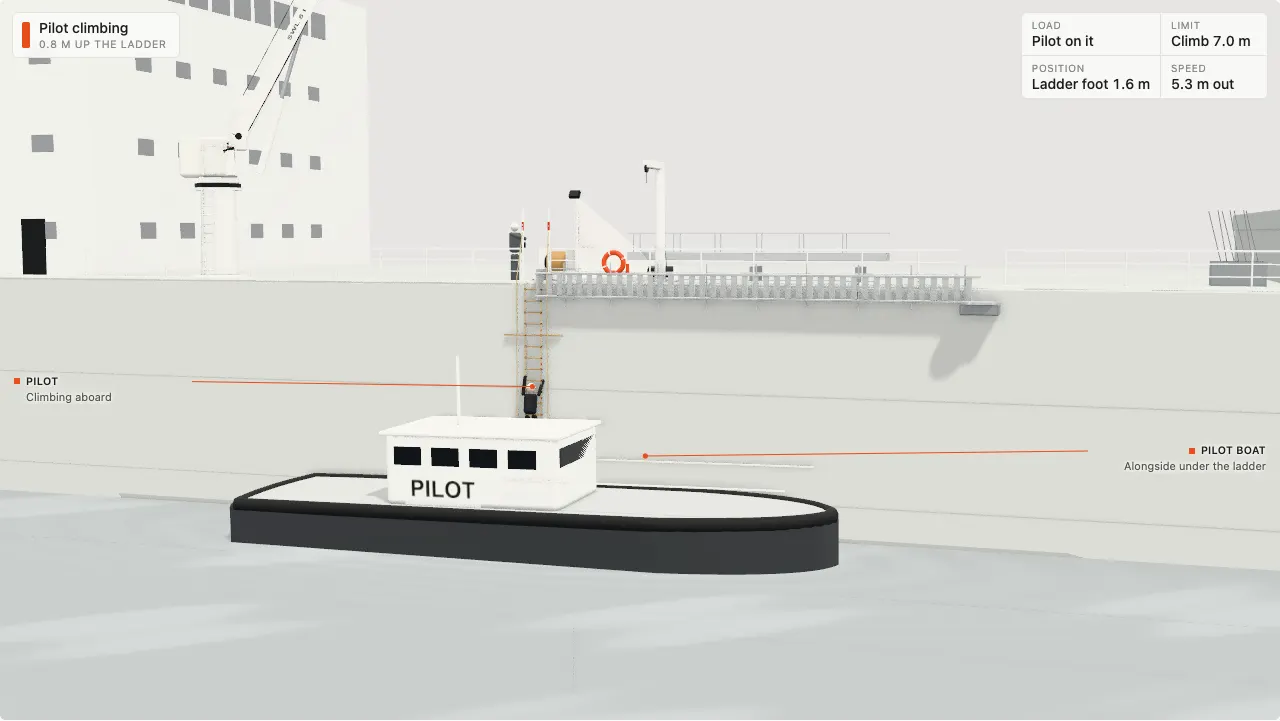
You will be able to check a pilot ladder and its rigging against today's rules and prepare the ship for the 2028 standard, including the 30 and 36 month limits.
You will understand the design limits of anchors, chain and windlasses, what a surveyor checks when the cable is ranged, and how to avoid losing an anchor.
You will know what the Cargo Securing Manual must say about lashing equipment, how securing devices are inspected and recorded, and what PSC checks in 2026.
Finish every lesson to get a Course completed card with your name and a QR code anyone can scan to verify.
Share it on LinkedIn, WhatsApp and elsewhere, or download the picture.
This course covers the equipment on deck that lifts, holds and carries people and loads: cranes, derricks and their loose gear, wire ropes, mooring winches and lines, gangways and accommodation ladders, pilot ladders, anchors, windlasses and cargo lashings. For each one you will learn what the rules require, who tests and examines it, how often, and what the records must show.
The rules have just changed. Since 1 January 2026, SOLAS regulation II-1/3-13 makes the testing and examination of shipboard lifting appliances a statutory survey item for the first time, on top of the ILO Dock Work Convention (No. 152) that many ports still apply. Pilot transfer arrangements follow on 1 January 2028, when amended SOLAS regulation V/23 makes a new performance standard mandatory, including the withdrawal of every pilot ladder within 36 months of manufacture or 30 months in service. The need is real: in the International Maritime Pilots’ Association 2026 safety campaign, 13% of 4,051 pilot transfers reported by pilots were non-compliant, and Tokyo MOU port State control officers recorded 523 pilot transfer deficiencies and 12 detentions in 2024. Paris and Tokyo MoU inspectors are running a concentrated inspection campaign on cargo securing from 1 September to 30 November 2026.
By the end you will be able to read a register of lifting appliances, work out a proof load, judge when a wire rope or mooring line must come out of service, check a gangway or pilot ladder against the current rules, and know what a surveyor or port State control officer will ask to see.
3D
Deck, lifting and hull
How hull thickness is measured, which tests find hidden cracks, and how hatch covers are checked for leaks.
5 lessons1 h 14 minAdvanced
 3D
Lifeboats and liferafts
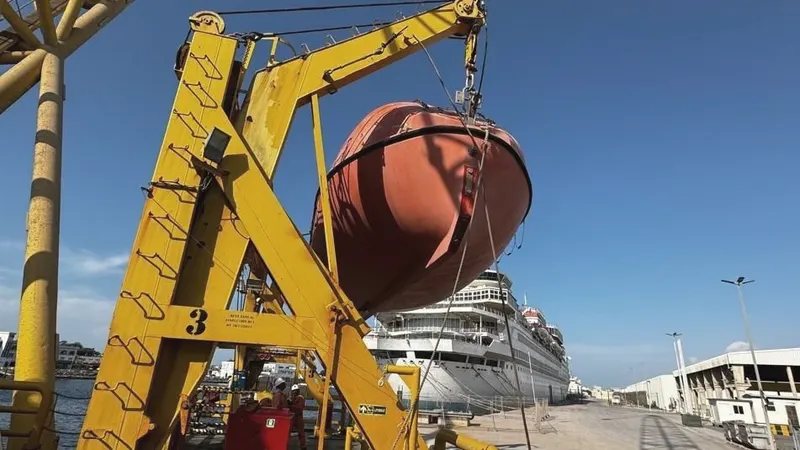
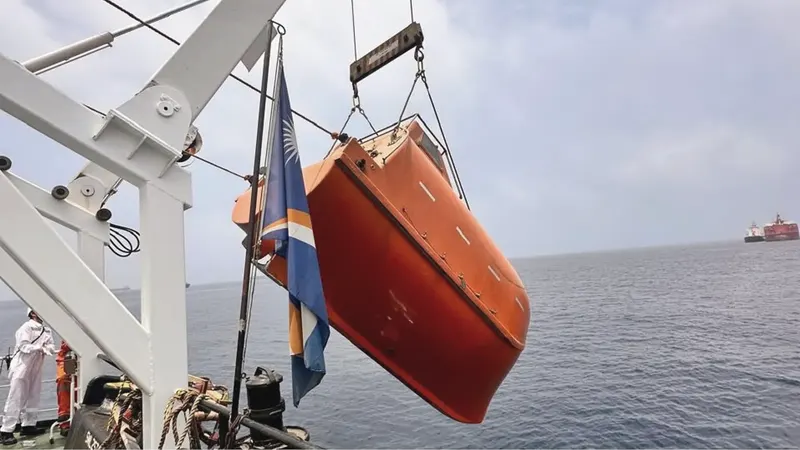
Why lifeboats hurt people, which rules keep crews safe, and what to check, log and leave to specialists.
8 lessons1 h 30 minIntroductory
 3D
Lifeboats and liferafts
What the annual and five-yearly lifeboat examinations must cover, step by step, from the hull to the winch brake.
8 lessons2 hAdvanced